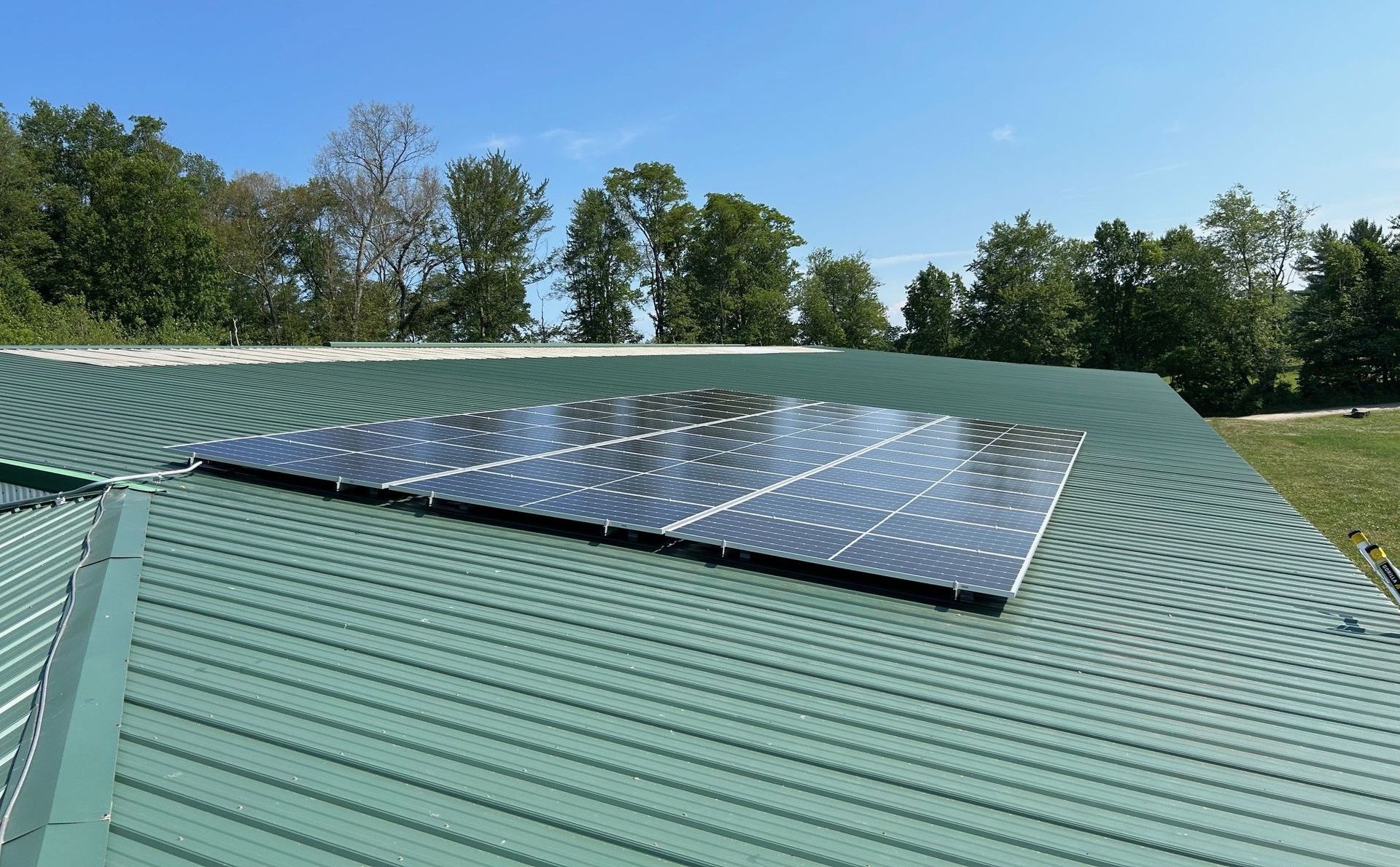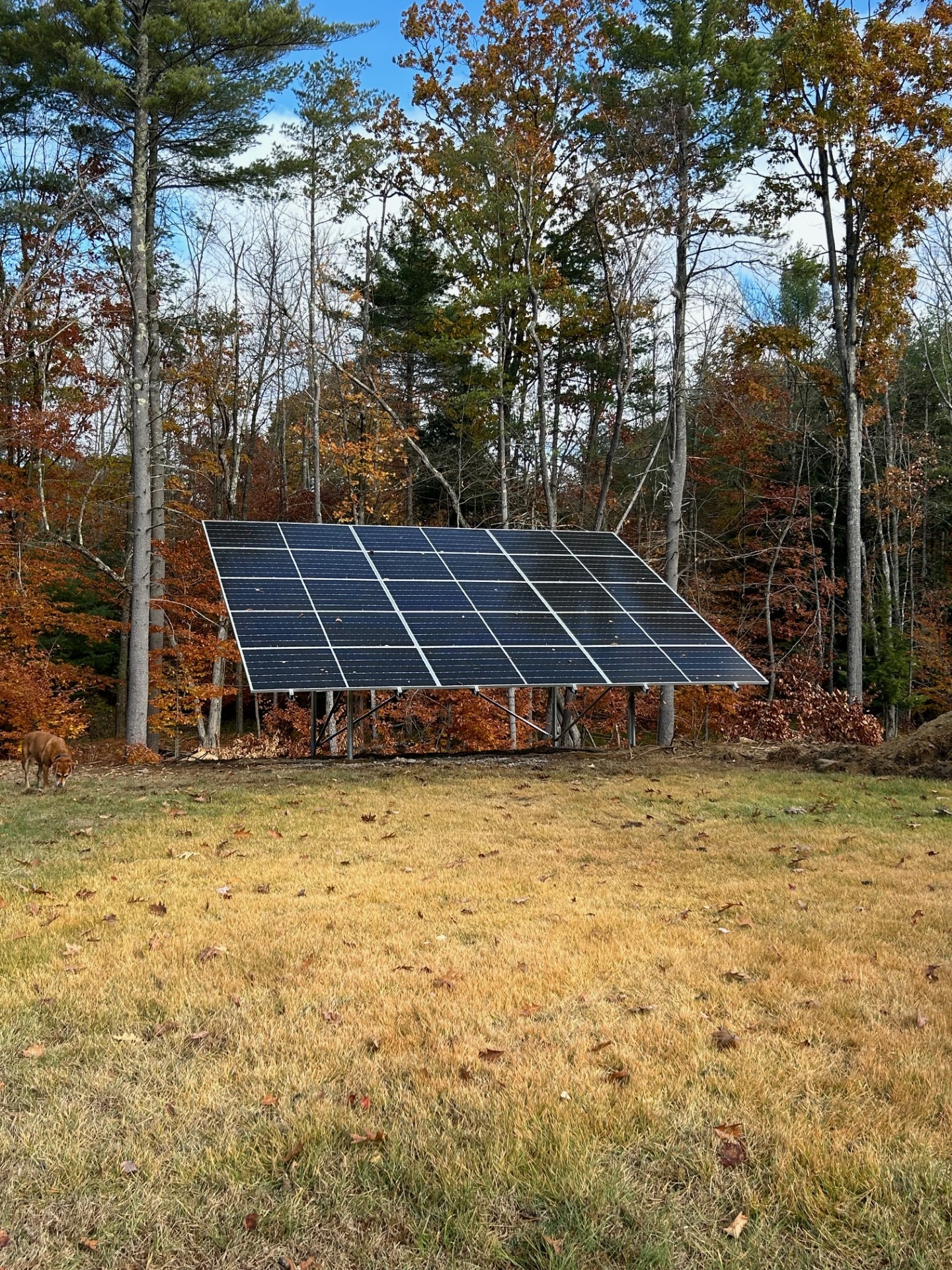
For businesses in New York, rising electricity costs are becoming a major operational expense. Commercial solar energy is increasingly attractive because it allows companies to reduce long-term energy costs while improving sustainability goals.
The good news is that several incentives can significantly reduce the upfront cost of installing a commercial solar system. Programs like the Federal Investment Tax Credit (ITC), NYSERDA’s NY-Sun program, and additional state tax benefits make solar more financially accessible for businesses across the state.
In many cases, these incentives can reduce the effective cost of a commercial solar project by 40% or more, making solar a strong long-term investment for many organizations.
Below is a breakdown of the most important commercial solar incentives available in New York in 2026.
Why New York Businesses Are Investing in Solar
New York has some of the highest electricity rates in the United States. For businesses that rely on significant energy consumption—such as warehouses, manufacturing facilities, offices, and retail operations—energy costs can fluctuate dramatically.
Solar energy provides a way to stabilize those costs while generating electricity on-site.
New York has also established ambitious clean energy goals, including plans to generate 70% of electricity from renewable sources by 2030. As a result, the state has developed several programs designed to accelerate solar adoption for businesses.
These incentives can significantly reduce the initial investment required to install a solar system.
Federal Investment Tax Credit (ITC) for Commercial Solar
One of the most valuable incentives available to businesses installing solar energy systems is the Federal Investment Tax Credit (ITC).
The ITC allows businesses to claim a tax credit equal to 30% of the total cost of a solar energy system.
Eligible costs typically include:
- Solar panels and equipment
- Installation labor
- Electrical infrastructure
- Engineering and design costs
For example, if a business installs a $500,000 solar system, the federal tax credit alone could provide:
This credit is applied to federal income taxes and can significantly reduce the net cost of a solar project.
The ITC is currently scheduled to remain at 30% through 2032 under the Inflation Reduction Act, giving businesses a strong incentive to invest in solar energy now.
Accelerated Depreciation (MACRS)
In addition to the federal tax credit, businesses can benefit from Modified Accelerated Cost Recovery System (MACRS) depreciation.
Under current federal guidelines, qualifying solar energy systems are typically classified as 5-year property, allowing businesses to recover the cost of the system through accelerated depreciation deductions over a shorter time period.
One of the key advantages of MACRS is that it front-loads tax savings, meaning businesses can claim a larger portion of depreciation in the earlier years of the system’s life rather than spreading it evenly over decades.
Bonus Depreciation (2026 Update)
In addition to standard MACRS, businesses may also qualify for bonus depreciation, which allows for an additional first-year deduction.
However, it’s important to understand that bonus depreciation is currently phasing down:
- 2024: 60% bonus depreciation
- 2025: 40% bonus depreciation
- 2026: 20% bonus depreciation
- 2027: 0% (unless extended by legislation)
This means that in 2026, businesses can deduct 20% of the system’s depreciable basis in the first year, with the remaining balance depreciated over the standard 5-year MACRS schedule.
Additionally, the depreciable basis of the system is reduced by half of the ITC value claimed, which is an important factor in calculating total tax benefits.
NY-Sun Incentives for Commercial Solar
New York’s NY-Sun initiative, administered by the New York State Energy Research and Development Authority (NYSERDA), provides additional financial incentives for solar installations.
The NY-Sun program offers upfront rebates that help lower the cost of installing solar energy systems.
These incentives are structured using a Megawatt Block system, meaning the incentive amount depends on:
- Geographic region
- Market demand
- System size
For commercial solar projects, the incentive is typically calculated based on dollars per watt installed.
Because incentives decrease as adoption increases, businesses that install solar sooner may qualify for higher rebate levels.
In most cases, your solar installer will handle the NY-Sun application process and apply the rebate directly to your project cost.
Sales Tax Exemption for Solar Equipment
Another financial advantage for businesses installing solar energy systems in New York is the state sales tax exemption on solar equipment.
Solar energy systems are exempt from New York’s 4% state sales tax, and many local jurisdictions also honor this exemption.
For large commercial projects, this exemption can represent thousands or even tens of thousands of dollars in savings.
Property Tax Exemption for Solar Installations
Installing solar panels can increase the value of a commercial property. However, New York provides a benefit that protects property owners from higher tax assessments.
Under Real Property Tax Law Section 487, solar energy systems qualify for a 15-year property tax exemption.
This means businesses can increase their property value by installing solar panels without increasing their property tax bill during the exemption period.
Some municipalities may opt out of this program, so businesses should confirm eligibility with local authorities.
Example: Commercial Solar Savings with Incentives
To understand how these incentives work together, consider a simplified example.
System cost:$500,000
| Incentive | Estimated Savings |
|---|---|
| Federal Investment Tax Credit (30%) | $150,000 |
| NY-Sun incentive | ~$40,000 |
| MACRS depreciation tax benefits | ~$70,000 |
| Sales tax exemption | ~$20,000 |
Estimated effective cost: approximately $220,000–$260,000
These incentives can reduce the overall cost of a commercial solar project by nearly half while providing long-term energy savings.
Which Businesses Benefit Most from Commercial Solar?
Commercial solar systems can benefit many types of businesses, particularly those with large rooftops or significant energy usage.
Common candidates include:
- Warehouses and distribution centers
- Manufacturing facilities
- Office buildings
- Retail shopping centers
- Agricultural operations
- Schools and municipal buildings
Businesses with high daytime electricity usage often see the greatest financial benefit from solar installations.
Working with an Experienced Commercial Solar Installer
Navigating solar incentives can be complex, especially for commercial projects that involve multiple programs and tax benefits.
An experienced solar installer can help businesses:
- Evaluate solar potential for their property
- Estimate long-term energy savings
- Determine eligibility for incentives
- Apply for NYSERDA rebates
- Design and install the solar system
Working with a knowledgeable installer ensures that businesses maximize available incentives while simplifying the installation process.
Take Advantage of Commercial Solar Incentives in New York
Commercial solar incentives make it easier than ever for businesses in New York to invest in renewable energy.
With programs like the 30% federal tax credit, NY-Sun rebates, and tax exemptions, many businesses can significantly reduce the upfront cost of solar installations while generating long-term energy savings.
As electricity prices continue to rise, solar energy offers a powerful way for businesses to control operating costs and improve sustainability.
If you're considering solar for your business, consulting with an experienced solar provider can help you understand available incentives and determine whether your property is a good candidate for solar energy.