“CHIPPY” Is Coming to New York - And You’re Paying for It
If you’ve noticed construction crews digging trenches, clearing corridors, or working along roadways across New York, you’re not alone. What you’re seeing is part of one of the largest energy infrastructure projects in state history: the Champlain Hudson Power Express, better known locally as “CHIPPY.” While it’s being marketed as a clean energy solution for New York’s future, there’s a side of the story most consumers aren’t thinking about: massive grid projects like this don’t come free, and ratepayers ultimately carry the cost.
What Is “CHIPPY”?
“CHIPPY” is a 339-mile transmission line running from Canada to New York City, designed to deliver hydropower directly into the downstate grid. This approximately $6 billion infrastructure project is expected to be operational by 2026 and will have the capacity to move about 1,250 megawatts of electricity. The line runs underground and underwater through communities across the state, including parts of the Capital Region, before terminating in Queens. Its primary purpose is to help New York meet aggressive clean energy mandates by importing renewable power from Hydro-Québec.
Why Projects Like CHIPPY Exist
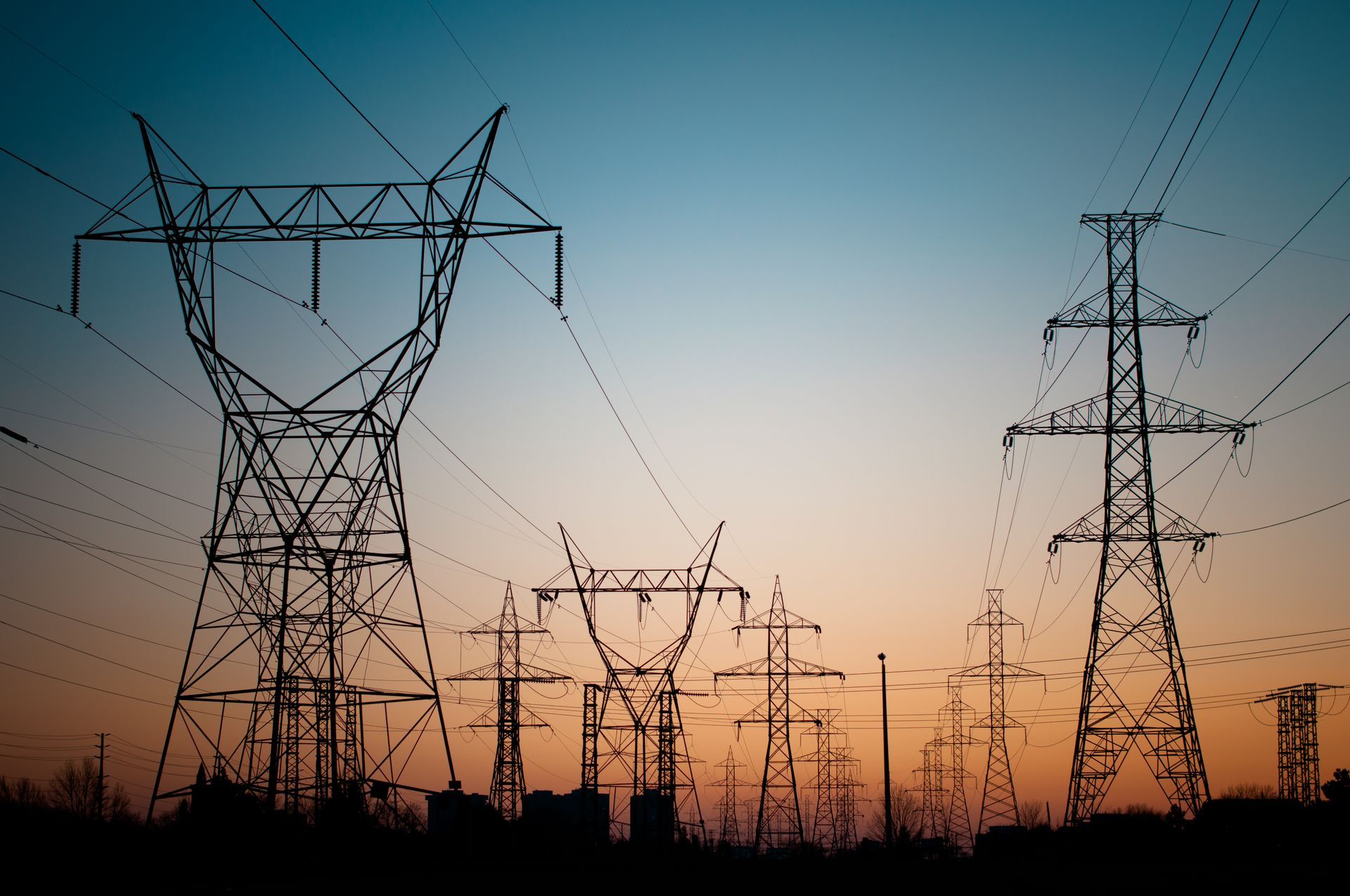
New York faces a structural energy problem because most clean energy is generated upstate, while the majority of energy demand is downstate in the New York City area.
Currently, the grid connecting these regions is old and congested. In fact, New York City consumes about two-thirds of the state’s electricity, while much of the generation capacity is located elsewhere. Transmission lines like CHIPPY are essentially “energy highways” designed to move power to the locations where it is needed most.
The Hidden Truth: Consumers Pay for Grid Expansion
While CHIPPY is often framed as a private or state-led investment, the economic reality is more nuanced. Large transmission projects are typically paid for through a mix of long-term energy contracts, utility infrastructure investments, and rate structures approved by regulators. These costs do not simply disappear; they are embedded into the system over time, showing up as higher delivery charges, increased supply costs, and ongoing rate case increases from utilities. In other words, you may never see a “CHIPPY charge” on your bill, but you will certainly feel its impact.
The Bigger Trend: A More Expensive Grid
CHIPPY is just one of many projects currently underway. Across New York, utilities are rebuilding transmission lines, upgrading substations, and expanding grid capacity. While these investments are necessary to modernize the system, they come at a significant cost. This investment is driving a clear trend where electric bills are rising not just because of the energy consumed, but because of the massive infrastructure required to deliver it.
The Problem for Homeowners
Most people assume their utility bill is primarily based on how much electricity they use, but that is no longer the case. A growing portion of your bill is tied to fixed delivery charges, system upgrades like CHIPPY, and various policy-driven investments. This means that even if you use less electricity, your bill can still continue to go up due to these underlying infrastructure costs.
The Smart Response: Reduce Your Dependence on the Grid
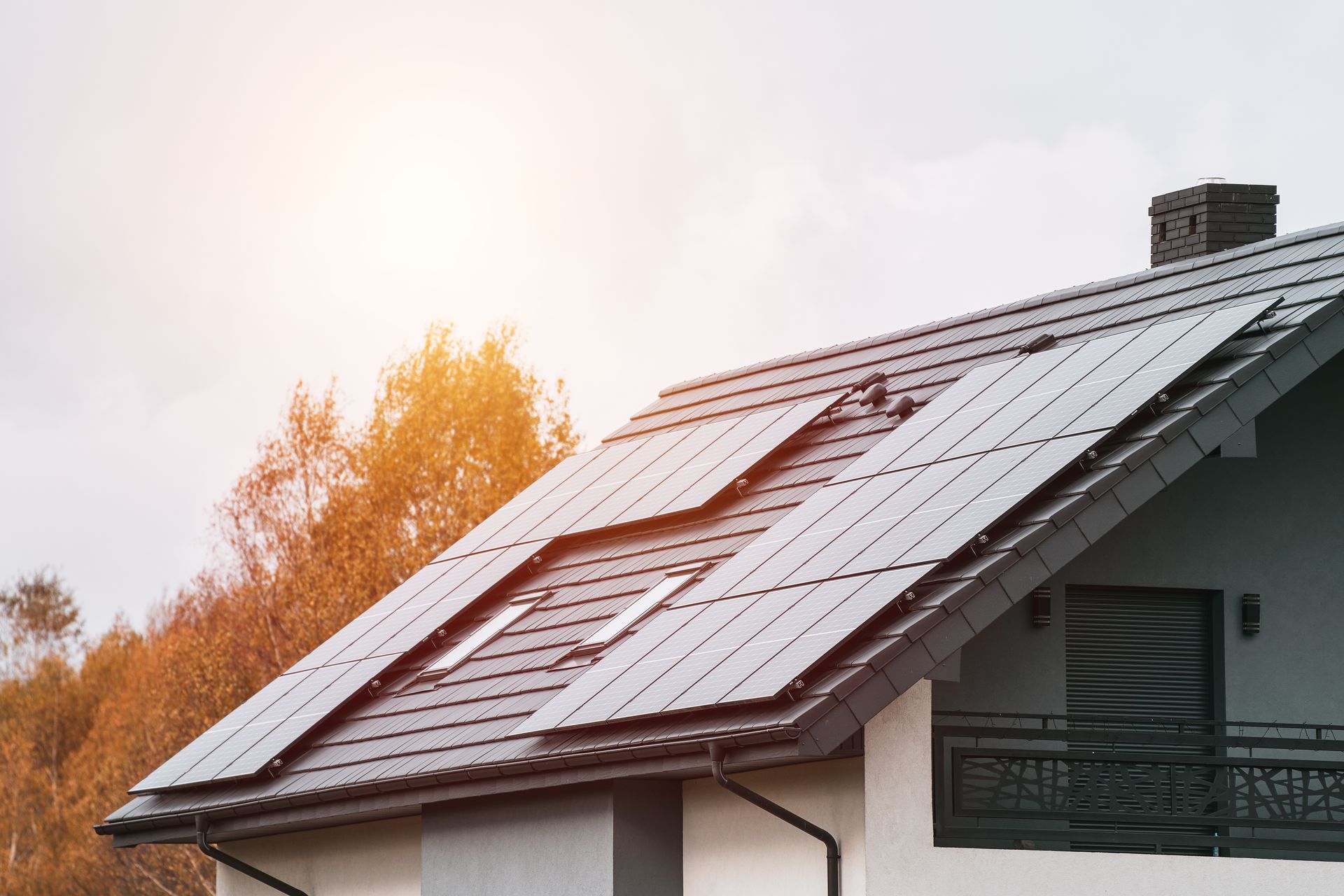
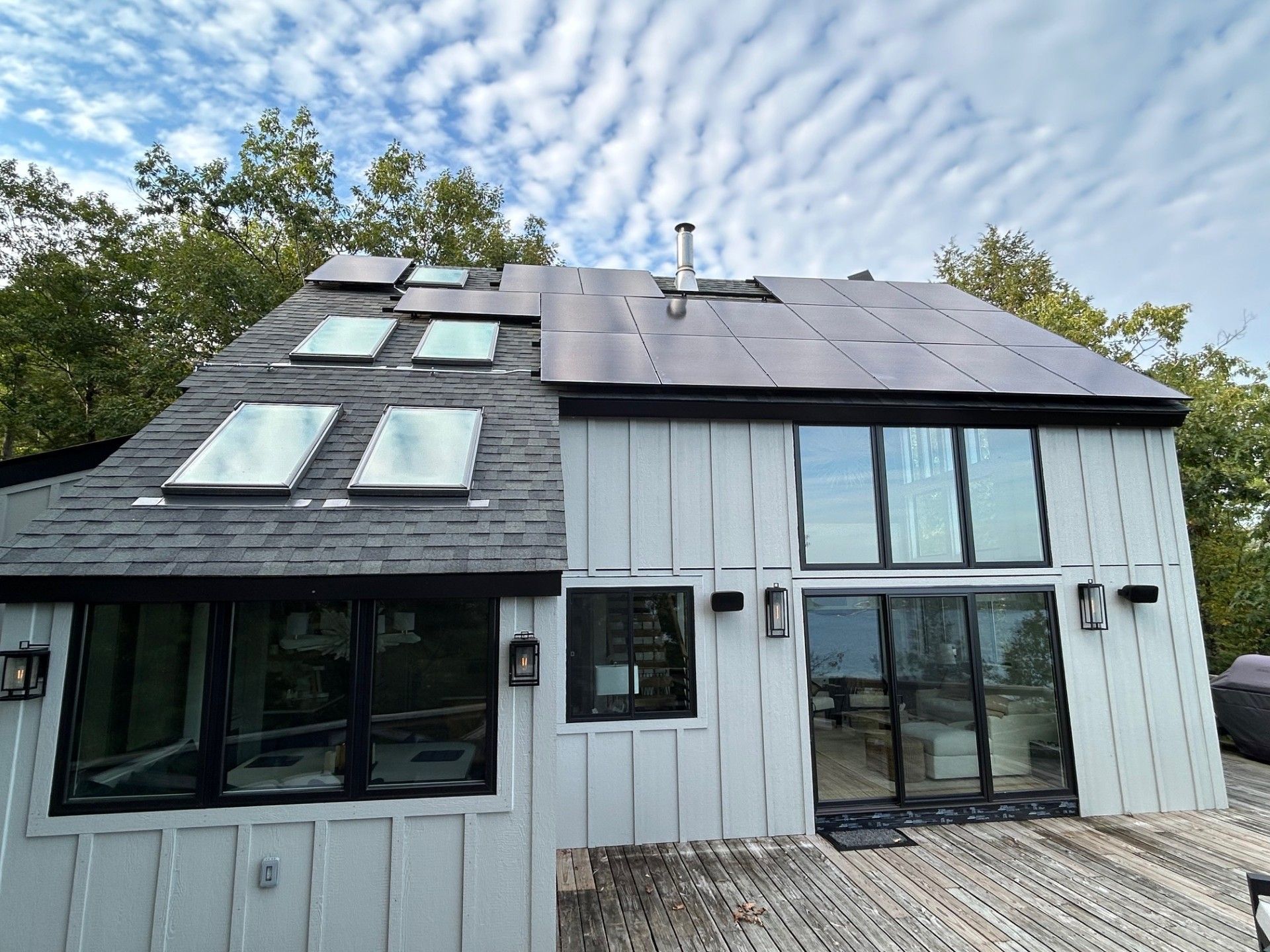
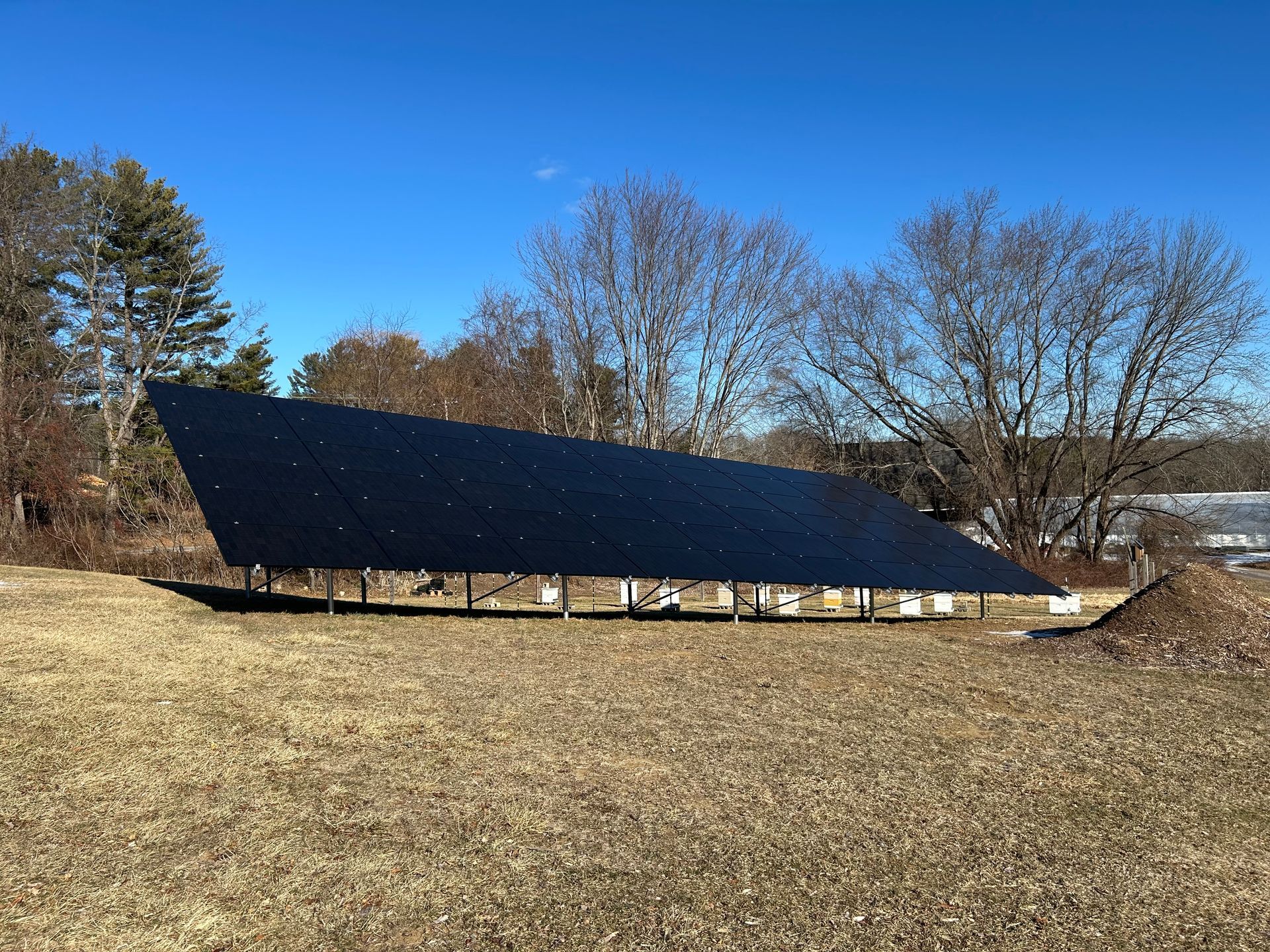
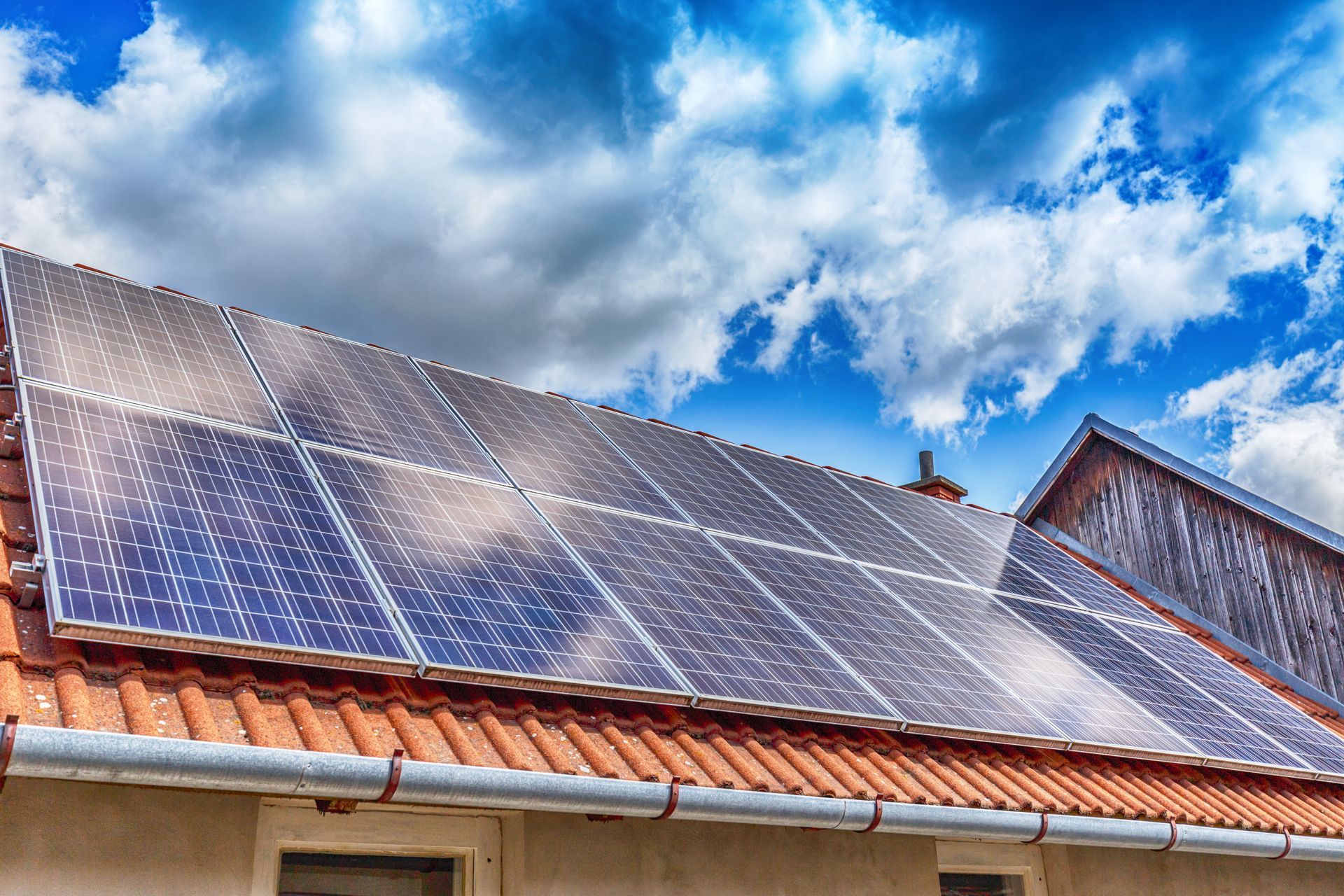
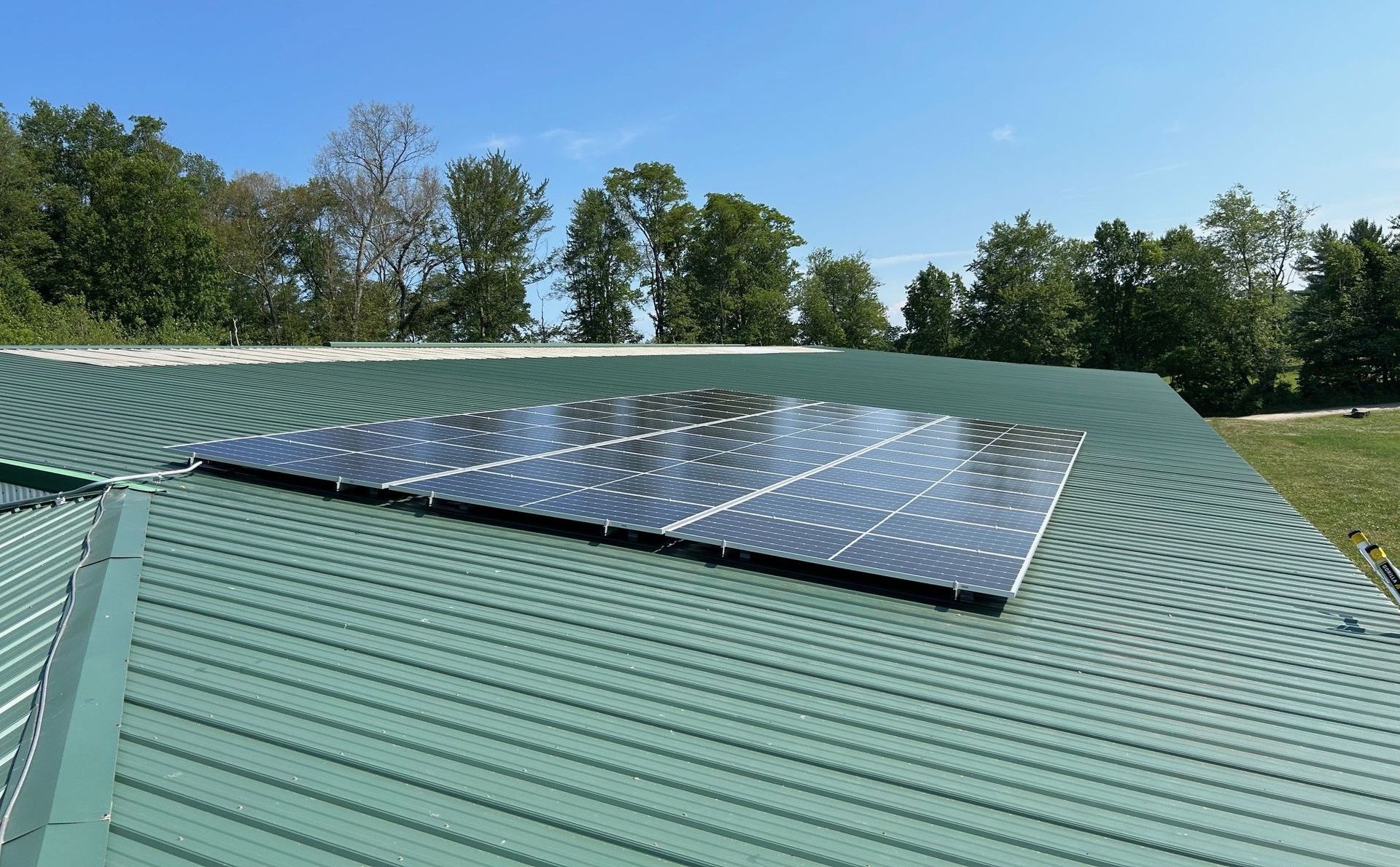
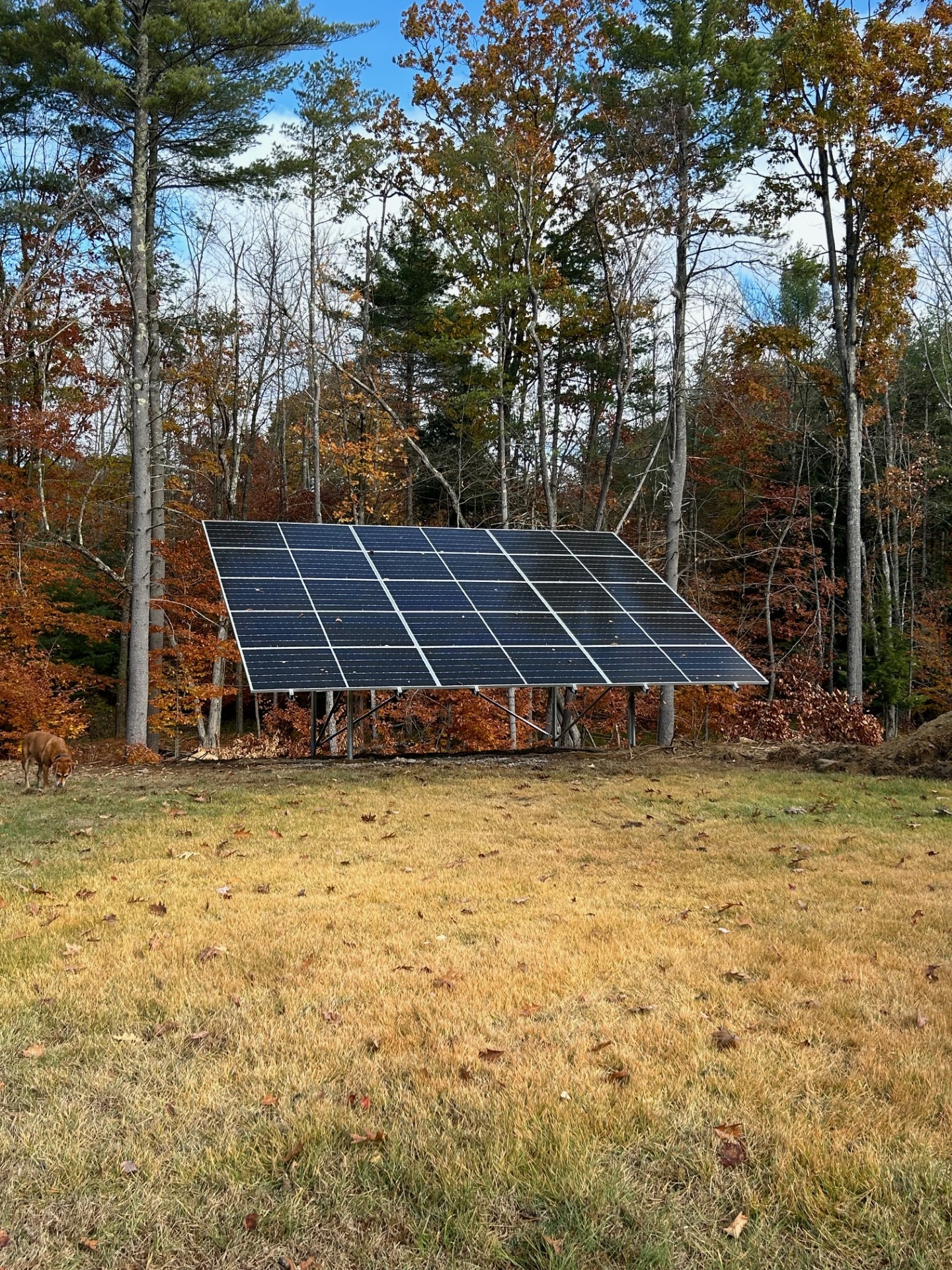
This reality is why more homeowners are starting to rethink their energy strategy. By installing solar panels, you can produce your own power and significantly reduce the amount of electricity you need from the grid. This allows you to offset rising supply and delivery costs while locking in a predictable portion of your energy expenses. As grid costs continue to rise, self-generation becomes an increasingly valuable asset.
Furthermore, adding battery storage allows you to take even greater control by storing your own power instead of pulling from the grid during expensive peak-rate periods. It also ensures the lights stay on during outages. In a grid that is becoming more complex and expensive, having this kind of independence matters. Projects like CHIPPY signal a future of more infrastructure investment and upward pressure on rates, but solar and storage provide a way to protect yourself from these long-term increases.
A Shift in Mindset
For decades, electricity was something you simply paid for, but it is now becoming something you need to actively manage. New York’s energy future will require billions in investment, and consumers will fund it one way or another. The Champlain Hudson Power Express may bring cleaner energy to New York, but it also represents a shift toward a more complex grid and higher long-term costs. Solar and battery storage are no longer just about sustainability; they are about cost control, energy independence, and protecting yourself from the next wave of inevitable rate increases.