The Solar Installation Process in NY: From Quote to Power On
The Solar Installation Process in NY: From Quote to Power On
If you're considering solar energy for your home or business, understanding the Solar Installation Process can help you feel confident about your investment. One of the most common questions property owners ask is, "How long does solar installation take?" The answer depends on several factors, but the overall process is often simpler and more streamlined than many people expect.
From the initial consultation and system design to permitting, installation, and utility approval, each phase plays an important role in ensuring your solar energy system performs efficiently for decades. In this guide, we'll walk through the complete
solar installation process for New York homeowners and businesses can expect when partnering with an experienced solar contractor.
Why Understanding the Solar Installation Process Matters
Installing solar panels is a significant investment, and understanding each stage helps eliminate uncertainty. Knowing what happens after signing a solar contract allows property owners to prepare for the project, understand timelines, and make informed decisions. While every property is unique, most solar projects follow a similar sequence designed to maximize system performance and comply with local regulations.
Step 1: Initial Solar Consultation and Site Assessment
The first step in the solar panel installation process is scheduling a consultation with a qualified solar company.
During this meeting, your solar provider will evaluate:
- Your current energy usage
- Utility bills and electricity consumption patterns
- Roof condition and available space
- Sun exposure and shading
- Property layout
- Long-term energy goals
For businesses, additional considerations may include operational energy demands, future expansion plans, and utility rate structures.
The consultation is also an opportunity to discuss system options such as battery storage, ground-mounted arrays, and financing solutions.
What Happens After Signing a Solar Contract?
Once you decide to move forward, the project transitions into the planning and engineering phase. At this point, your solar company begins gathering detailed site information, conducting measurements, and preparing designs for permitting and utility approval.
This stage often surprises homeowners because much of the work happens behind the scenes before installation begins.
Step 2: Custom Solar System Design
Every property requires a custom design to maximize solar production and long-term savings. During this phase, engineers develop a system tailored to your property's unique characteristics.
Key factors include:
- Roof orientation and pitch
- Available installation area
- Local weather patterns
- Historical energy usage
- Structural requirements
- Future energy needs
The design process determines:
- Number of solar panels
- Panel placement
- Inverter selection
- Electrical equipment requirements
- Battery storage integration (if applicable)
For homeowners interested in residential solar installation, a customized design ensures the system delivers the highest possible return on investment.
Step 3: Permits and Utility Approvals
Do I Need Permits to Install Solar Panels in New York?
Yes. Solar installations in New York typically require permits and approvals before construction can begin.
Depending on the municipality, this may include:
- Building permits
- Electrical permits
- Structural review
- Utility interconnection applications
An experienced solar contractor manages these requirements on your behalf, helping ensure compliance with local regulations and utility standards.
Permit timelines vary throughout the Capital Region and surrounding communities, but this phase often takes several weeks.
Although waiting for approvals can feel like the longest part of the process, proper permitting is essential to ensuring a safe and code-compliant installation.
Step 4: Ordering Equipment and Scheduling Installation
After approvals are secured, equipment is ordered and installation dates are scheduled.
Your solar company will coordinate:
- Solar panel delivery
- Inverter procurement
- Mounting hardware
- Electrical components
- Battery storage equipment, if included
Most homeowners are surprised by how quickly installation itself occurs once all approvals are complete.
Step 5: Solar Panel Installation
How Are Solar Panels Installed?
The physical installation is often the most visible and exciting stage of the project.
The process generally includes:
- Installing the mounting system
- Securing solar panels
- Installing inverters and electrical equipment
- Connecting wiring and monitoring systems
- Integrating battery storage if selected
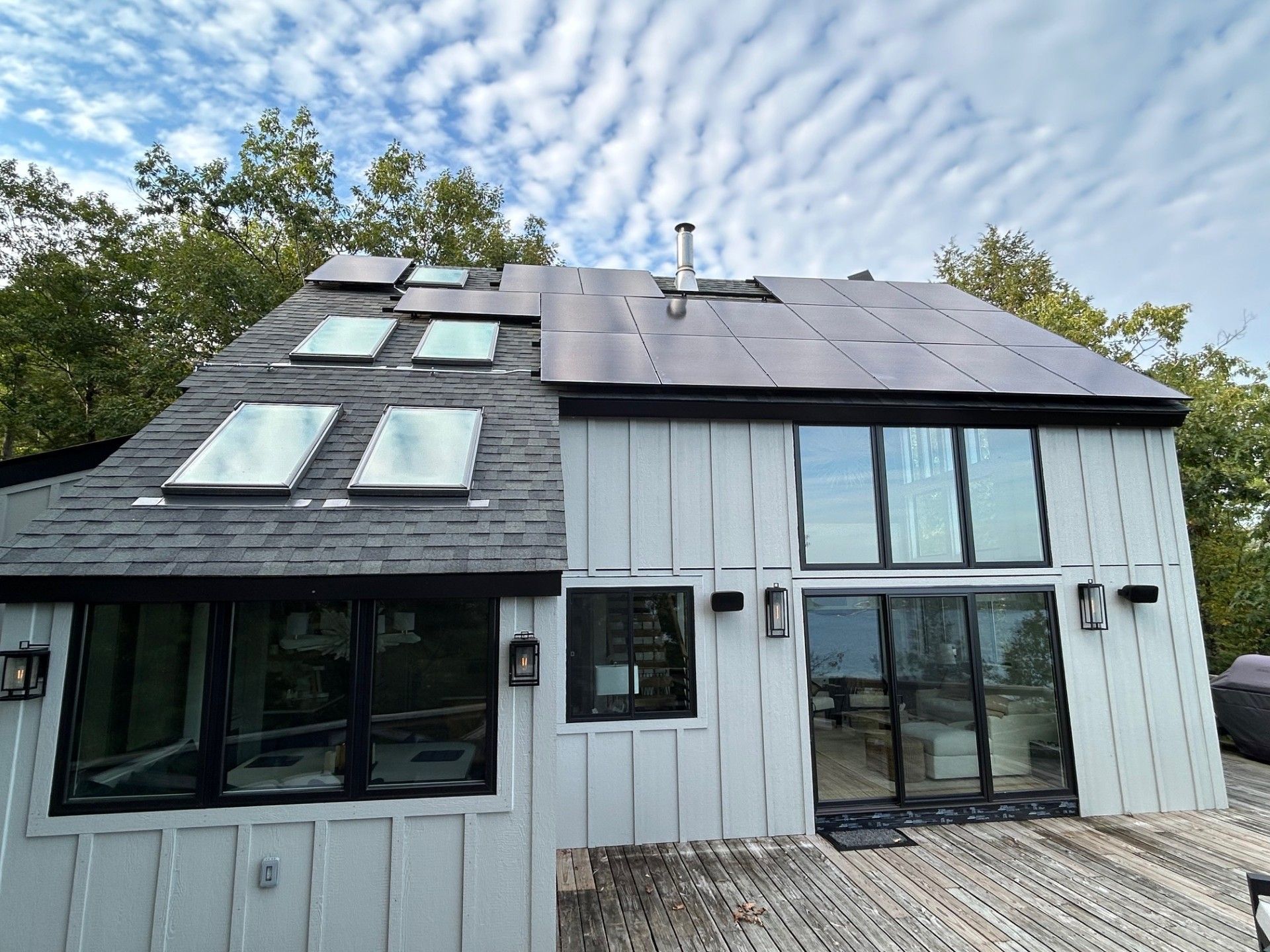
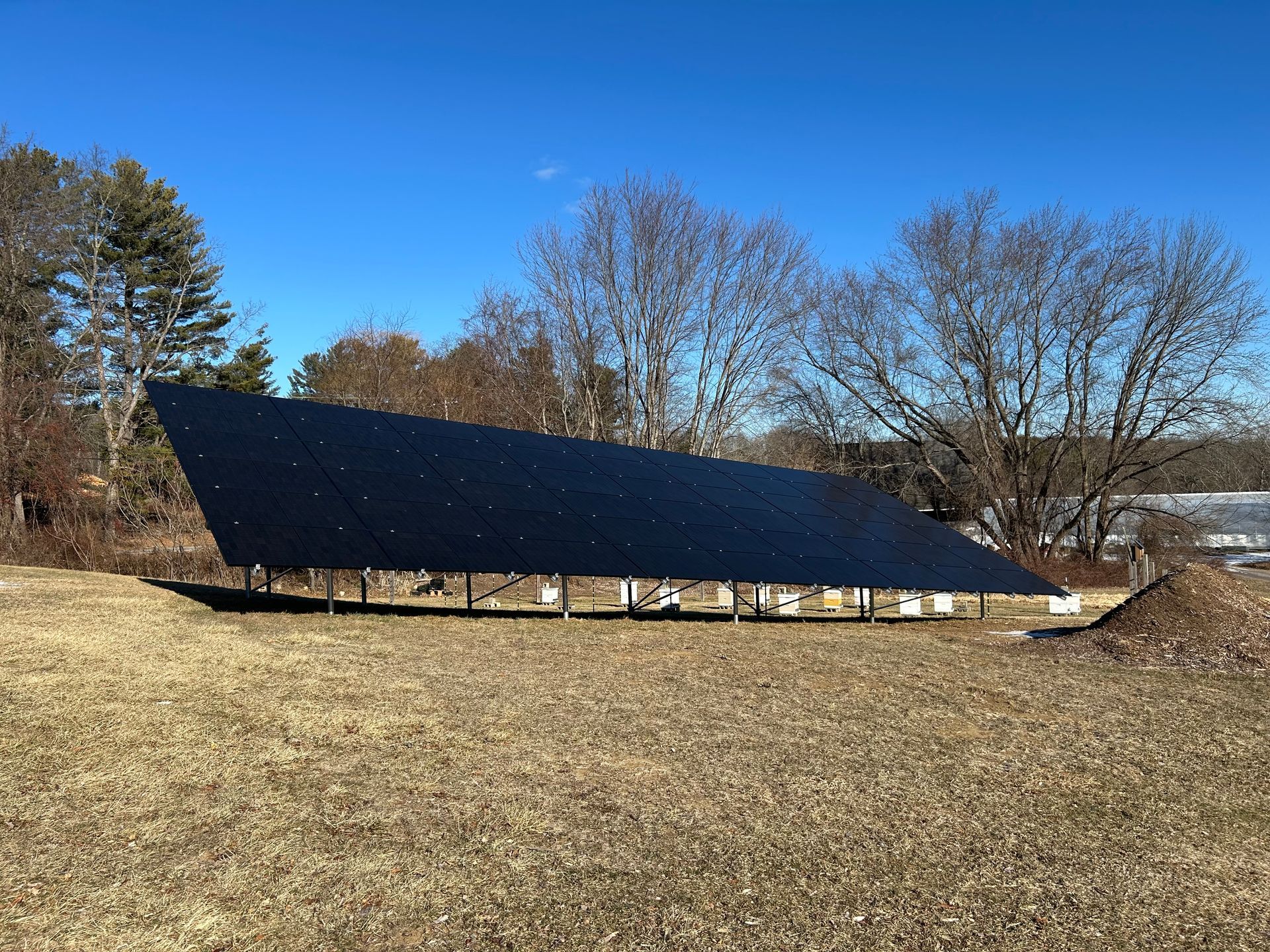
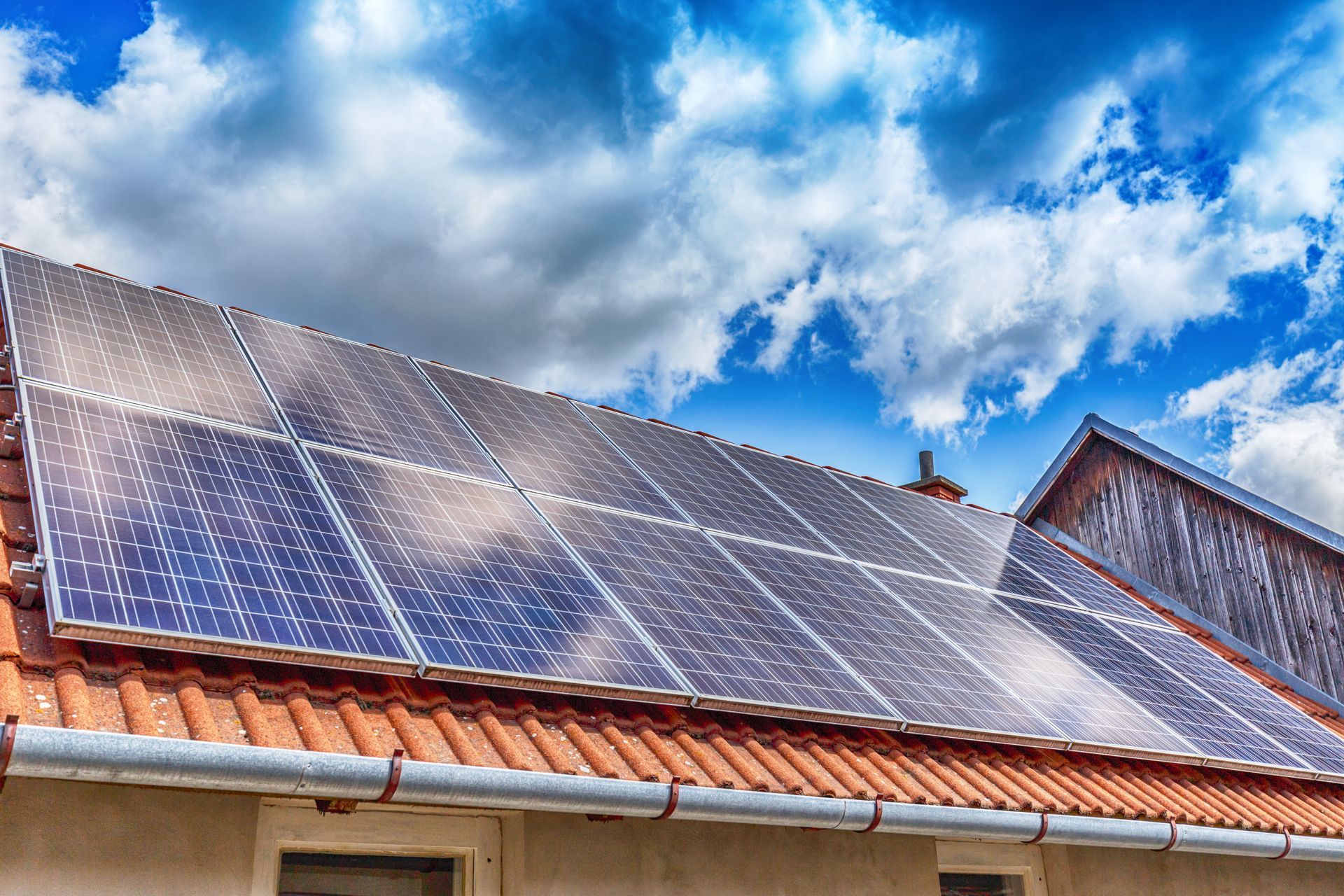
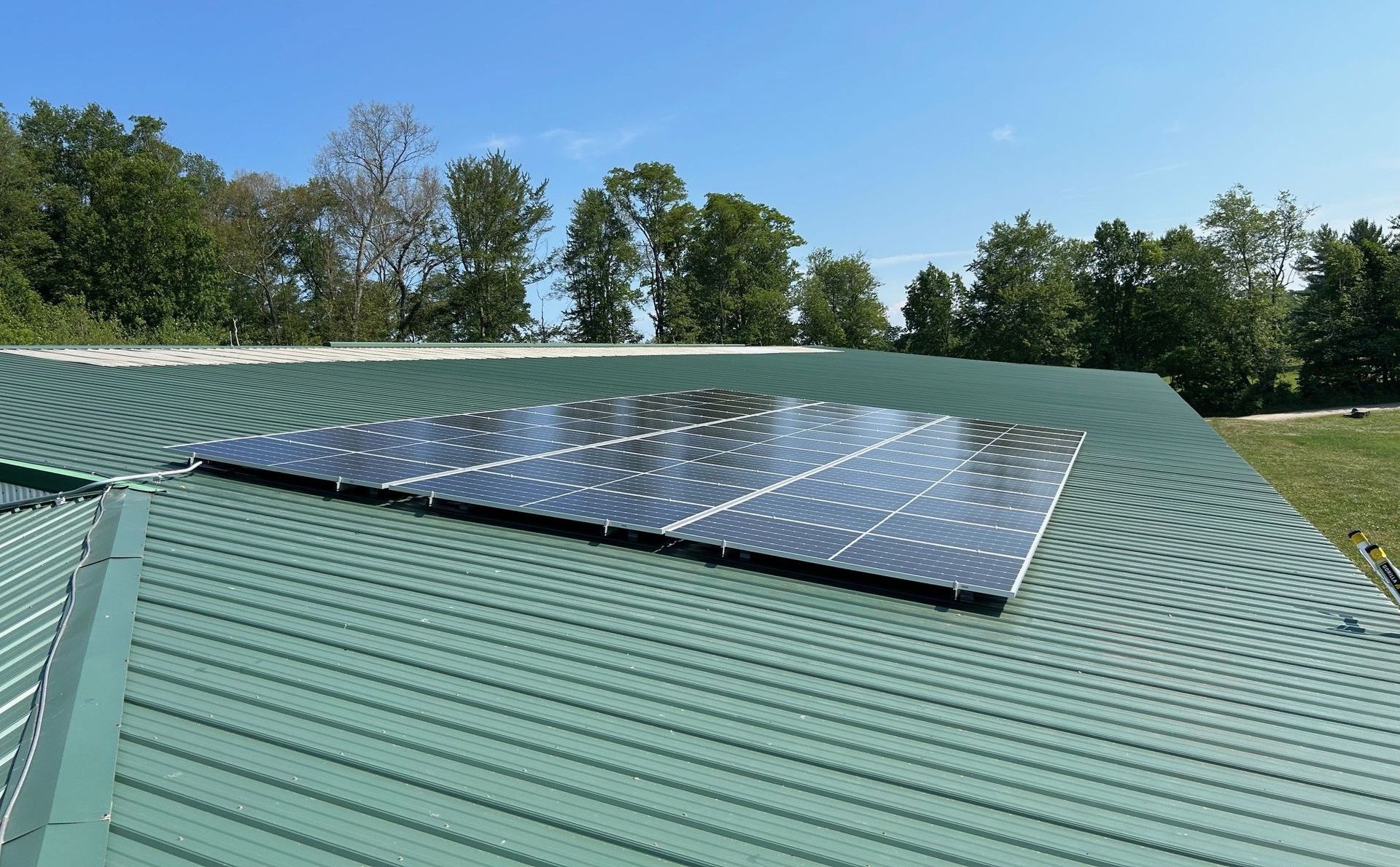
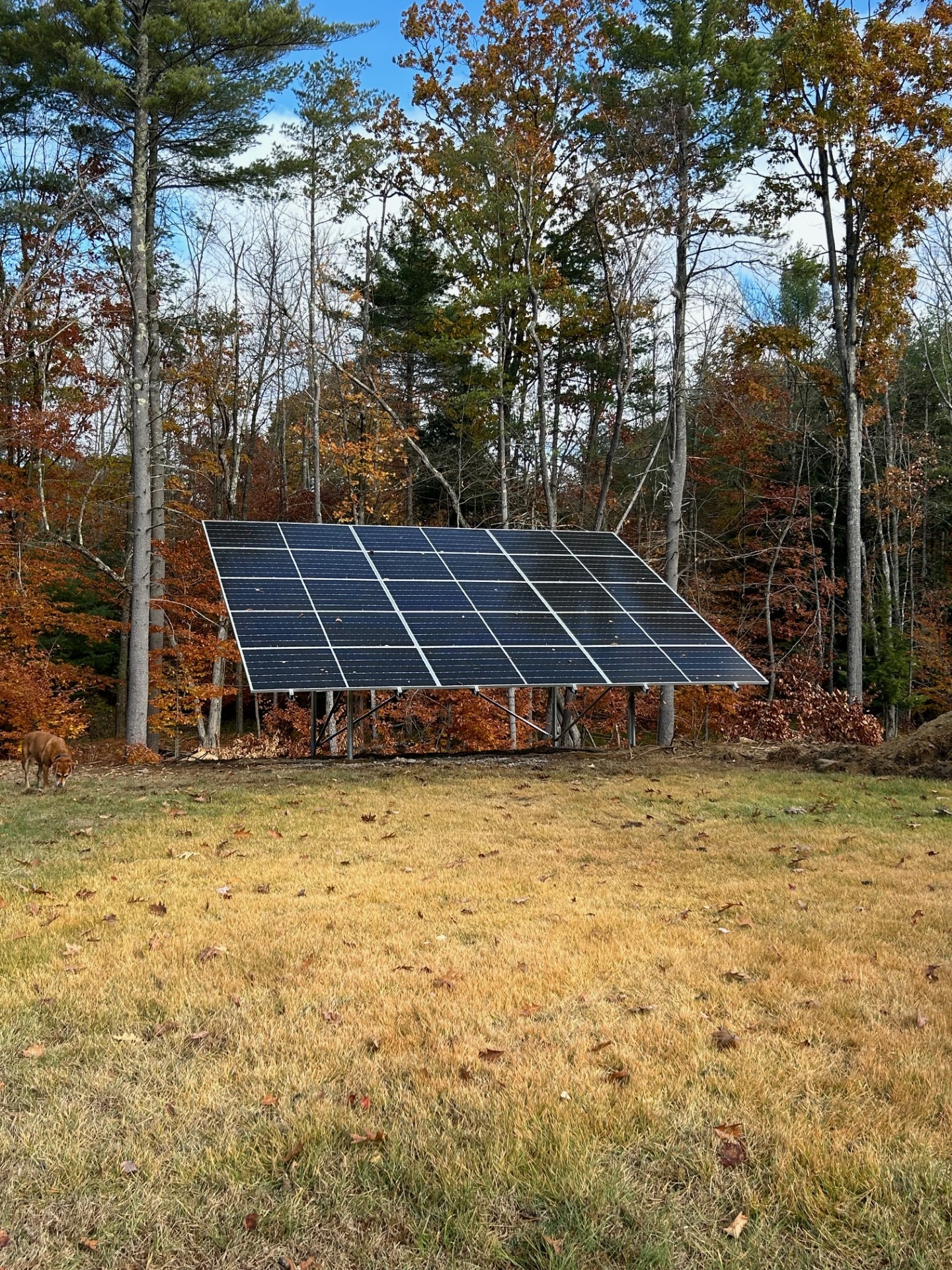
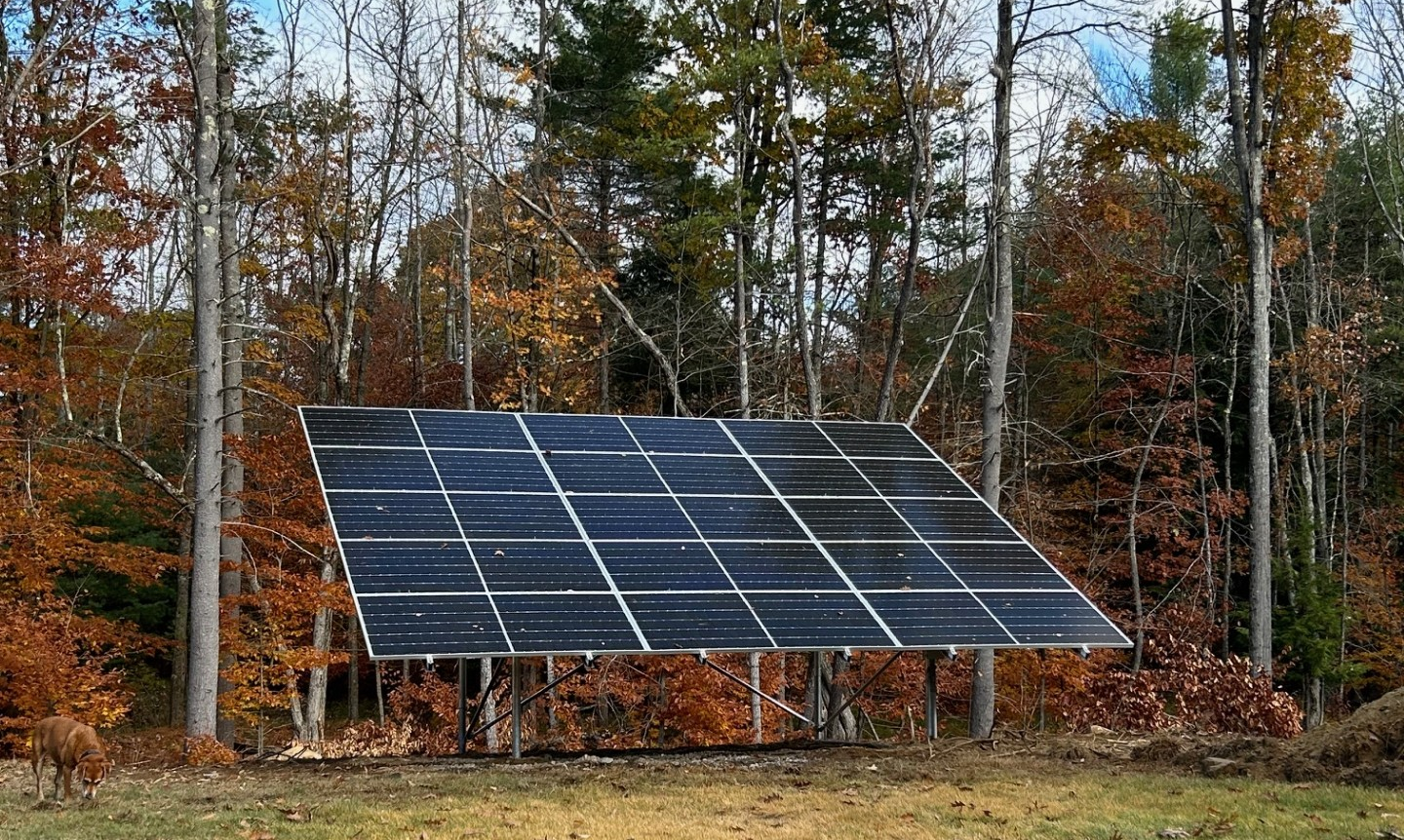
For roof-mounted systems, installers carefully attach mounting hardware to ensure weatherproof performance and structural integrity. For ground-mounted systems, additional site preparation and foundation work may be required.
How Long Does Solar Installation Take?
For most residential projects, the actual installation takes only one to three days.
Larger homes, battery systems, or commercial projects may require additional time.
Factors that affect installation timelines include:
- System size
- Roof complexity
- Weather conditions
- Electrical upgrades
- Battery storage integration
While installation itself is relatively quick, the full project timeline includes design, permitting, inspections, and utility approvals.
Step 6: Inspection and Final Approval
Once installation is complete, local authorities typically perform an inspection to verify the system meets applicable building and electrical codes.
The inspection helps confirm:
- Proper equipment installation
- Safe electrical connections
- Compliance with local regulations
- Structural integrity
Any required corrections are addressed before the project moves to the final approval stage.
Step 7: Utility Interconnection and Permission to Operate
After inspections are completed, documentation is submitted to the utility company.
The utility reviews the installation and grants what's commonly known as Permission to Operate (PTO).
Once PTO is received, your solar system can begin producing electricity and offsetting utility costs.
For many property owners, this is the moment when months of planning become a tangible energy-producing asset.
What to Expect During Solar Installation
Property owners often worry that installation will disrupt their daily routines. In reality, professional installers work efficiently to minimize inconvenience.
You can generally expect:
- Limited interruption to power service
- Temporary access to roof or installation areas
- Installation crews on-site during normal business hours
- Post-installation system testing and walkthrough
Your solar provider should keep you informed throughout every stage of the project and answer any questions as they arise.
Choosing the Right Solar Partner
A successful solar project depends on more than equipment selection. Choosing a knowledgeable and experienced solar company ensures a smooth installation process and long-term system performance.
When evaluating providers, look for a company that:
- Designs customized systems
- Handles permitting and utility coordination
- Provides transparent timelines
- Offers local expertise
- Supports both residential and commercial projects
As a family-owned company based in Saratoga Springs, Solar Environment NY specializes in custom solar energy solutions throughout Upstate New York and Southern Vermont. Their team manages every stage of the installation process, helping homeowners and businesses transition to clean energy with confidence.
Ready to Learn What Solar Can Do For Your Property?
Understanding the Solar Installation Process can help remove uncertainty and make your transition to solar energy much easier. From the initial consultation and custom system design to permitting, installation, and utility approval, every step is designed to ensure your system delivers reliable performance for years to come.
If you're considering solar for your home or business in New York's Capital Region, working with an experienced local contractor can make all the difference. The right team will guide you through every stage, answer your questions, and ensure a smooth, efficient experience from start to finish.
Ready to learn what the
Solar Installation Process looks like for your property?
Contact Solar Environment NY today to schedule a consultation and receive a customized solar assessment.
Frequently Asked Questions
How long does solar installation take in New York?
While the physical installation typically takes one to three days, the full process from consultation to utility approval usually takes one to three months depending on permitting and utility timelines.
What happens after signing a solar contract?
After signing, your solar company begins site measurements, engineering, system design, permitting, and utility interconnection applications before scheduling installation.
Do I need permits to install solar panels in New York?
Yes. Most solar projects require building and electrical permits as well as utility approvals. A qualified solar contractor will typically manage these requirements on your behalf.